The Rise of Event Management Mobile Apps: Why They’re Essential in 2026
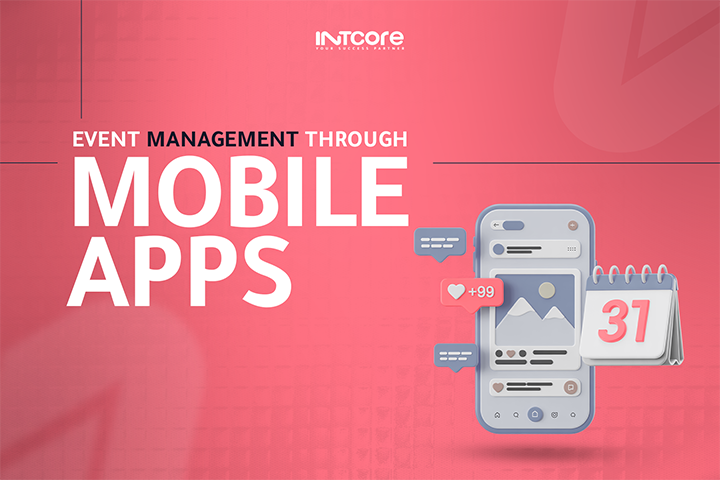
In today’s fast-paced world, event organizers can no longer rely on spreadsheets, manual registration, and basic communication tools. The event industry has shifted dramatically, and event management mobile apps have become the backbone of successful conferences, exhibitions, corporate events, and even private gatherings.
Whether you're an event planner, a corporate team, or a business hosting regular seminars, an event management app helps you streamline planning, reduce errors, elevate the attendee experience, and track real-time insights, all from your phone.
In this guide, we’ll explore what event management mobile apps are, why they matter, key features, industry trends in 2025, and how businesses can leverage them.
What Is an Event Management Mobile App?
An event management mobile app is a digital tool that helps event organizers plan, manage, and monitor all aspects of their events. It provides an all-in-one platform for:
- Event registration and ticketing
- Scheduling and agenda planning
- Communication with attendees
- Real-time updates and notifications
- Guest check-in
- Analytics and event reporting
- Engagement tools (polls, Q&A, surveys)
Instead of juggling multiple platforms, event teams can manage everything from one centralized system.
Why Event Management Mobile Apps Are Essential in 2025
1. Digital-First Attendee Expectations
Attendees today expect seamless digital experiences, from registration to feedback submission. Event apps give them instant access to agendas, maps, networking tools, and notifications.
2. Real-Time Event Control
Organizers can modify schedules, send updates, track attendance, or handle risks instantly with real-time dashboards.
3. Reduced Operational Costs
Paper schedules, printed badges, manual tracking, and on-site support are replaced by automated digital processes.
4. Higher Engagement and Interaction
Live polls, Q&A sessions, digital handouts, and chat options create interactive experiences that boost satisfaction and retention.
5. Accurate Data & Analytics
Apps give deep insights into attendance behavior, session popularity, event flow, and engagement rates, important for improving future events.
6. Scalability
Whether it's a small workshop or a 10,000 attendee exhibition, the app scales effortlessly.
Top Features Every Event Management App Should Include
Smart Registration & Ticketing
Easy sign-up, multiple ticket types, payment gateways, and QR code generation.
Digital Check-In
Touchless check-in using QR scanning, speeding up entry and minimizing queues.
Agenda & Scheduling
Dynamic schedules with real-time updates, reminders, and personalized agendas.
Push Notifications
Instant alerts about room changes, speaker updates, or reminders.
Attendee Networking
Chat options, attendee profiles, and matchmaking algorithms.
Interactive Tools
Live polls, feedback surveys, Q&A sessions, and digital booths.
Vendor & Speaker Portals
Allow exhibitors, sponsors, and speakers to manage their own profiles and materials.
Analytics Dashboard
KPIs, attendance tracking, heatmaps, session insights, and behavior trends.
Trends Shaping Event Management Apps in 2025
1. AI-Based Personalization
Apps now recommend sessions, networking matches, and content based on user behavior.
2. Hybrid & Virtual Event Features
Integrated live streaming, virtual booths, and remote engagement tools remain essential.
3. Automation Everywhere
Auto-generated badges, automated follow-ups, AI-driven scheduling, and predictive analytics.
4. Security & Compliance
GDPR-compliant data handling, secure payment gateways, and encrypted check-in processes.
5. Integration with CRM, ERP, and Marketing Tools
Seamless syncing ensures lead tracking and post-event funnels are fully automated.
Industries That Benefit from Event Management Apps
While event planners use them daily, many industries now rely on these apps:
- Corporate events & seminars
- Universities & educational institutions
- Government conferences
- Exhibitions & trade shows
- Hotels & venues
- Sports & entertainment events
- Real estate open houses & launches
Any organization hosting events regularly can benefit immediately.
How a Custom Event Management Mobile App Helps Businesses
A custom-built app offers more than just event logs. It strengthens your brand and enhances your internal processes:
- Custom workflows
- Full branding
- Integration with internal systems
- Multi-event and multi-user support
- White labeling for agencies
- Better client experience and higher retention
If you’re an agency or enterprise, having your own event management platform becomes a long-term business asset.
FAQ: Event Management Mobile Apps
1. What types of events can use an event management app?
Conferences, exhibitions, corporate meetings, workshops, virtual events, trade shows, and even private events.
2. How much does it cost to build an event management app?
Costs depend on features, integrations, and customizations, typically starts from $20,000
3. Can an event app integrate with CRM systems?
Yes. Modern apps integrate with CRMs like HubSpot, Salesforce, Zoho, and custom backends to ensure proper lead tracking.
4. Do event apps work offline?
Many include limited offline modes for schedules, maps, and attendee lists.
Conclusion
As the events industry continues to digitalize, event management mobile apps have become a must-have tool for organizations that want to deliver seamless experiences and collect meaningful insights.
Whether you’re an event agency, a corporation, or a brand planning seasonal event, investing in the right app can improve efficiency, enhance attendee satisfaction, and scale your operations.
Want to get started with your app? Contact us now!
Search for a topic want to read in
People liked

The Middle East is f...
The Middle East is full of mobile app innovation, with startups and enterprises launching applications that cater to unique regional needs.
Launching your busin...
Launching your business' mobile app is a milestone for any business; however, it's just the beginning of your journey.
Building a mobile ap...
Building a mobile application is just the first step, launching it successfully and achieving a return on investment (ROI) is the most challenging part. Learn why you need a go to market strategy
Discover how AI auto...
Discover how AI automation is transforming enterprise operations in 2026 through smarter workflows, data-driven decisions, cost reduction, and improved customer experiences.